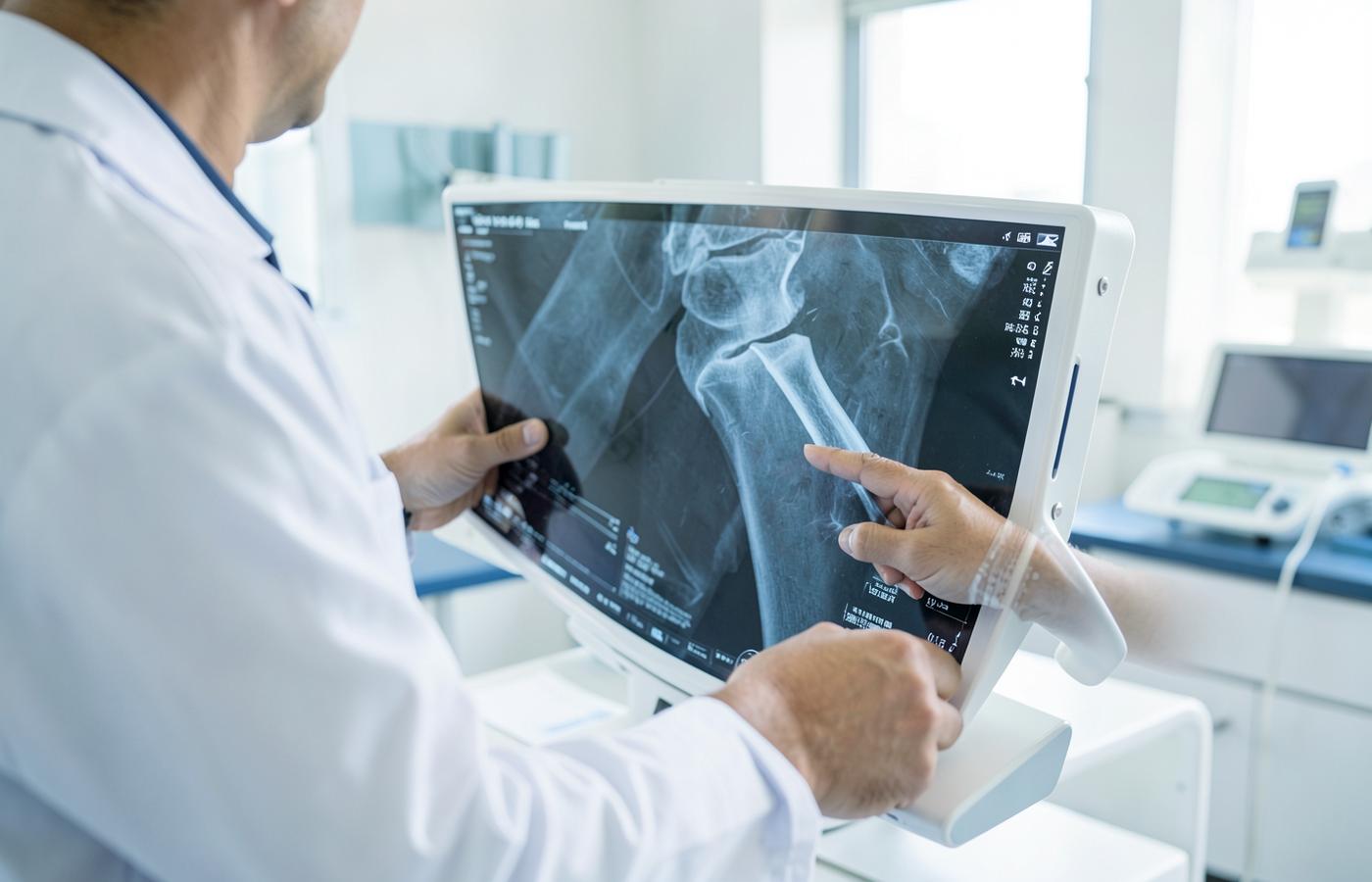
Dr. K. PRASHANTH KUMAROrthopedic & Joint Surgeon
Discipline 06 of 06Pediatric Orthopedics & Trauma

Paediatric Trauma Care

Gentle Fracture Management, Growth Plate Protection & Pediatric Orthopedics

Specialized orthopedic trauma care tailored specifically for infants, children, and adolescents. Because growing bones possess open growth plates (physes) and distinct remodeling biological potential, Dr. Prashanth Kumar delivers compassionate, gentle care that safeguards lifelong bone development, prevents angular deformities, and minimizes emotional distress for young patients and their parents.

Paediatric Trauma Care
Attending Specialist

Dr. K. Prashanth Kumar

MBBS, D.Ortho, DNB Ortho

Hospital Centers

Nirmal & Khanapur

Specialty Area

Pediatric Orthopedic Trauma

Primary Approach

Gentle Casting, Closed Reduction & K-Wire Fixation

Anesthesia / Setting

Child-friendly Sedation / Day Care

Typical Stay

Same-Day Discharge / Day Care

Recovery Window

3 to 6 Weeks (significantly faster than adults)

Clinical Indications

When to Seek Evaluation for Paediatric Trauma Care

Orthopedic consultation is recommended if you or your loved ones experience any of the following clinical signs:

Pediatric greenstick, buckle (torus), and plastic bowing fractures of the forearm and leg
Supracondylar fractures of the elbow following falls from playground equipment or monkey bars
Physeal (growth plate) injuries classified under Salter-Harris guidelines
Pediatric clavicle, femur, or tibia fractures from sports, falls, or bicycle accidents
Childhood limp, refusal to bear weight, or sudden joint swelling following minor trauma
Toddler's fractures (undisplaced spiral tibia fractures in young walking children)
Surgical & Clinical Scope

Procedures & Treatment Modalities

Advanced surgical and non-surgical procedures conducted using high-precision techniques and evidence-backed protocols:

1Gentle Closed Reduction & Child-Friendly Casting

Painless, gentle manipulation of displaced pediatric fractures under light, safe sedation followed by lightweight fiberglass casting.

Key Clinical Highlights:
  • Calm, child-friendly environment to eliminate fear and anxiety
  • Lightweight, breathable fiberglass casting with soft protective padding
  • Avoids open surgical incisions in the vast majority of childhood breaks

2Percutaneous K-Wire Pinning under Fluoroscopy

Minimally invasive stabilization for unstable fractures (such as supracondylar elbow fractures) using thin, smooth surgical pins.

Key Clinical Highlights:
  • Inserted percutaneously through tiny pinholes under live C-arm X-ray guidance
  • Provides rigid stability without opening the fracture site or leaving surgical scars
  • Smooth pins are gently removed in the clinic after 3-4 weeks without anesthesia

3Growth Plate (Physeal) Preservation

Specialized anatomical realignment techniques protecting the delicate cartilaginous growth plates (epiphyses) at bone ends.

Key Clinical Highlights:
  • Prevents premature growth arrest, limb shortening, or progressive crookedness
  • Strict adherence to international Salter-Harris pediatric treatment guidelines
  • Scheduled longitudinal growth monitoring through puberty

4Natural Bone Remodeling Guidance

Expert clinical assessment of a child's natural biological capacity to self-correct minor angulation over time.

Key Clinical Highlights:
  • Leverages the thick pediatric periosteum and rapid bone remodeling
  • Spares children from unnecessary surgical intervention whenever biologically safe
  • Reassuring, clear counseling provided to parents at every step
Rehabilitation Roadmap

Step-by-Step Recovery & Mobility Pathway

A structured, milestone-based timeline to guide you from initial treatment back to active, independent living:

1

Phase 1: Initial Immobilization

Weeks 1 to 2

Cast protection, limb elevation, and checking fingers/toes for normal warmth and movement.

Expected Milestones & Care Actions:
  • Keeping cast dry and clean; limb elevated on pillows when resting
  • Encouraging gentle wiggling of fingers and toes to ensure healthy circulation
  • First clinic check-up to assess cast fit and comfort
2

Phase 2: Rapid Callus Consolidation

Weeks 2 to 3

Vigorous pediatric woven bone callus visible on follow-up digital X-rays.

Expected Milestones & Care Actions:
  • Follow-up low-dose X-ray to confirm bone alignment and healing callus
  • Child resumes quiet indoor play, drawing, and school activities with arm in sling
  • No rough play or sports during this crucial healing window
3

Phase 3: Cast / Pin Removal

Weeks 3 to 4

Gentle removal of cast and smooth K-wires in clinic; beginning natural joint movements.

Expected Milestones & Care Actions:
  • Safe, gentle cast removal using oscillating cast saw with protective blade guards
  • Encouraging natural movement through normal play (reaching for toys, coloring)
  • Gentle warm-water baths to cleanse skin and soothe joints
4

Phase 4: Full Return to Playground & Sports

Weeks 6 to 8

Complete bone remodeling, restored strength, and safe return to full play.

Expected Milestones & Care Actions:
  • Full return to cycling, running, playground games, and sports
  • Bone remodeling continues naturally in the background for several months
  • Growth check verification at 6 months for physeal injuries
Clinical Rigor

Diagnostic Workup & Safety Protocol

Accurate planning is essential for predictable outcomes. Every case undergoes standardized diagnostic verification:

Ultra-low-dose pediatric digital radiography minimizing radiation exposure
Contralateral comparison radiographs of the uninjured limb when evaluating subtle growth plate injuries
High-resolution ultrasound for non-ossified pediatric cartilage and joint fluid detection
Gentle clinical examination with compassionate communication tailored to young children
Patient Guidance

Frequently Asked Questions

Clear answers to common questions about Paediatric Trauma Care procedures and aftercare:

Children's bones are more flexible, have a thicker blood-rich outer sleeve (periosteum), and heal much faster than adult bones. Most crucially, children have open growth plates (physes) near their joints, which require specialized pediatric orthopedic care to ensure future normal bone growth.

Have more questions about Paediatric Trauma Care?

Browse all 200 patient Google search questions answered for Dr. K. Prashanth Kumar in Nirmal & Khanapur.

View 200 Patient FAQs
Comprehensive Portfolio

Other Orthopedic Disciplines

Browse All 6 Disciplines
Discipline 02Trauma & Reconstructive Surgery

Fracture Treatment & Trauma Care

Prompt, definitive diagnosis and surgical or non-surgical stabilization for acute bone fractures, high-energy polytrauma, complex articular injuries, and delayed unions. Dr. Prashanth Kumar delivers evidence-based trauma stabilization focused on anatomic alignment, stable internal fixation, and preserving periosteal blood supply for reliable bone union.

Discipline 04Sports Medicine & Arthroscopy

Sports Injury Management

Comprehensive sports orthopedic care encompassing rapid diagnosis, minimally invasive ligament reconstruction, and functional athletic rehabilitation. Catering to competitive athletes, fitness enthusiasts, and weekend warriors, Dr. Prashanth Kumar focuses on anatomical biomechanical restoration, preventing secondary joint degradation, and guided milestone-based return to sporting competition.

Discipline 05Non-Surgical & Preservation

Conservative Management & Joint Preservation

Proactive, holistic orthopedic care dedicated to preserving natural joints and avoiding unnecessary surgery whenever clinically appropriate. Dr. Prashanth Kumar prioritizes evidence-based medical therapies, intra-articular treatments, supervised physical therapy, lifestyle ergonomics, and functional joint unloading to relieve pain and maximize mobility.